


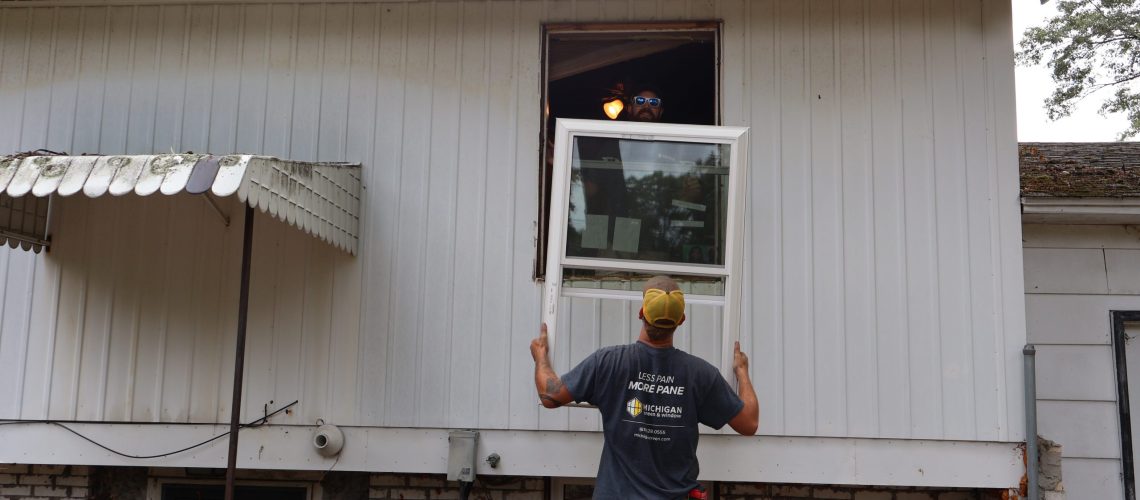

If your home feels drafty in the winter or your energy bills continue to rise, your windows might be the reason.
Homeowners don’t think about their windows too much. Even when they no longer open like they used to, we simply accept it and move on.
However, the truth is that old, broken windows can be costly.
Windows do a lot more than give you a view of the outside. They keep your home secure, maintain indoor temperature, and keep moist air out.
So, when should you replace your windows? Here’s our complete guide to the timing and signs.
How To Tell If Your Windows Need Replacing
We’ll be honest. Not every window problem warrants a full replacement. In fact, in many cases, a simple repair is enough.
That said, some window problems go deeper. If you leave them for too long, they can affect other parts of your home.
Here’s how to tell if your windows need replacing.
1. Visible Damage
Visible damage is caused by age and wear. Hot weather, UV rays, hail, and strong winds may affect the window’s integrity. Over time, the window’s materials crack and bend.
Unfortunately, visible damage isn’t just a cosmetic issue. Cracks in the glass and warped or rotting frames may be signs of a serious structural problem.
It’s a good idea to always inspect your windows for signs of sagging or loose glass. You can repair minor scratches, but large cracks can make the window unstable.
In this case, it’s best to schedule a professional for assessment. Acting early can prevent small issues from turning big and expensive.
2. Poor Energy Efficiency
If your home feels too cold in the winter or too hot in the summer, it may be your windows.
Old windows don’t insulate as well as they should, and windows with worn seals could let drafts in.
The Department of Energy says that 30% of heating is lost through windows. In the summer, unwanted solar heat also enters through. This inevitably results in a higher electricity bill.
Getting new windows improves energy savings by providing temperature control. Today, you can get windows with triple glazing for thermal performance.
3. Noise Issues
Does it seem like the outside noise is louder than it used to be? If so, you may need to upgrade your windows.
Windows act as a barrier to sound. They keep traffic and neighborhood noise out, making your home feel calm and serene. You may not realize this, but windows are vital to your privacy.
Sadly, as your windows age, the materials wear down, allowing sound to pass through. If there are sealing issues, it may be time for a window replacement.
4. Security Concerns
All windows should close and lock properly. If they don’t, then treat it as a serious concern.
Old windows often have loose and misaligned frames. The latches can weaken, making it easy to break the window open.
We recommend asking a professional to check windows that won’t stay locked. Moreover, you should consider replacing old windows as a long-term solution.
5. Condensation or Moisture Between Panes
Double-paned windows are a great option for thermal insulation. That said, the seal can break after years of use, causing moisture between the panes.
Check if your windows have foggy glass that doesn’t clear up. Do you notice any moisture between the panes?
If so, it’s a serious problem that you shouldn’t ignore.
When moisture gets in through your windows, it may encourage mold growth in your home.
You can fix this temporarily with defogging services. Still, the best long-term solution is to replace the old windows.
6. Difficulty Operating Windows
Do your windows jam or won’t open fully? Are you feeling resistance when you try to move them?
If you think about it, windows are a vital exit point in case of an emergency. You want them to open completely, especially in a fire.
Windows that are difficult to operate can prevent our loved ones from exiting.
In some cases, you can fix these windows with cleaning and lubrication. If that doesn’t work, it’s time for a professional inspection.
7. Outdated Style or Aesthetic
Outdated window aesthetics may seem trivial, but they can affect your home value.
The color on old windows can fade, and the frame may look worn. Older designs may also limit natural light, making your space feel smaller.
Updating your windows boosts your house’s curb appeal. They transform your home and improve it inside and out!
Factors to Consider Before Replacing Windows
Replacing old windows is a project that requires a hefty budget. You want to get it right on the first try.
To help you get started, here are a few things to consider.
1. Window Material Options
Today, there are various window materials to choose from.
Vinyl windows are the most affordable and low-maintenance. Wooden windows provide better insulation, but they require regular maintenance.
Aluminum, on the other hand, is lightweight and sturdy, but doesn’t insulate as well.
You should consider the advantages of each material before you purchase one.
2. Cost vs. Long-Term Savings
Replacing your windows can be expensive. Still, you should consider how much you’ll save.
Getting new, energy-efficient windows can significantly lower your electricity bill. This can add up over time.
3. Climate and Weather Conditions
Some window types are better for hot and humid weather. Meanwhile, others are suitable for the cold and rain.
In Michigan, windows should handle a bit of everything.
Our tip is to pick a material with insulation, durability, and weather-resistance. It’s best to work with a local professional who understands your needs.
4. Window Warranty and Lifespan
Most windows have a lifespan of up to 30 years, and it helps if your warranty covers your investment.
When you’re buying a window, always look at the coverage length. Read the fine print and understand what’s included.
Lastly, factor the warranty into the overall cost of the windows.
Benefits Of Replacing Your Windows
These are just a few of the benefits of replacing windows.
- Lower Energy Bills: Energy-efficient windows maintain home temperature better. You can save on bills for years to come.
- Security and Privacy: New windows keep you and your family safe. They also give you peace of mind.
- Increased Home Value: New windows refresh your home’s look. Ultimately, they boost resale value.
How To Choose The Right Replacement Windows
The best windows are, of course, the ones that will last the longest in your home. Here’s how to choose the right windows.
- Select the Right Material: Ask a local professional about the best materials for your climate.
- Think of the Design: Make sure the window’s design fits your home’s aesthetic. Consider how much light can enter the space and decide whether you want a clear view of the outside.
- Work With Professionals: Hire professionals who are confident and experienced. They can give you the best advice on how to choose the right windows.
Best Time To Replace Your Windows
So, what’s the best time to replace windows?
Having mild weather is ideal. In Michigan, spring and early fall are two of the best times to replace windows.
Seasonal Considerations in Michigan
Avoid installation during winter and summer, as this can lead to delays. In Michigan, summer can be extremely humid, causing material expansion.
However, if your windows are in dire need of replacement, doing them sooner may be better than waiting for the ideal season.
FAQs
How long do windows last?
In general, windows last 15 to 30 years. Their lifespan can be affected by quality, materials, and climate. They can also last longer if you maintain your windows properly.
Can I replace just one window?
Yes. You can replace just one window, but it’ll be costlier in the long run. Window installers usually give discounts if you replace multiple windows.
What is the average cost of replacing windows?
The average cost of replacing a window is $700 to $1,600. Costs vary based on the material and complexity of the installation. If you want to know the exact cost of replacing your windows, reach out to Michigan Screen & Window for a free estimate!
